
🌍 Folklore & Mythology: Stories, Traditions, and Cultural Imagination
Across cultures and throughout history, myths, legends, folktales, and oral traditions have given expression to fundamental questions about human existence, the natural world, morality, identity, and the mysteries of life and death. These narratives preserve cultural memory, communicate values, and offer imaginative ways of understanding the relationship between humanity, nature, and the sacred.
Far from belonging exclusively to the distant past, folklore and mythology remain vital dimensions of human culture. They continue to influence literature, art, religion, philosophy, popular entertainment, and the stories communities tell about themselves.
The following resources offer opportunities to explore mythological and folkloric traditions from around the world. They include scholarly references, primary texts, historical collections, cultural archives, and accessible introductions suitable for students and interested readers.
📚 Exploring Folklore and Mythology
General References and Scholarly Resources
-
World History Encyclopedia: Mythology — Accessible introductions to mythological traditions, deities, legendary figures, and sacred narratives from diverse cultures.
-
Harvard University: Folklore & Mythology — Academic perspectives and resources exploring folklore and mythology through literature, anthropology, religion, history, and cultural studies.
-
Internet Encyclopedia of Philosophy — Scholarly discussions of philosophical and religious traditions, symbolism, ancient thought, and questions intersecting with mythology.
-
Mythopedia — An illustrated introductory reference to mythological figures, heroic narratives, legendary creatures, and cultural traditions.
-
Encyclopedia Mythica — A reference collection of mythological figures, supernatural beings, and traditional narratives from around the world.
-
Godchecker: Your Guide to the Gods — An entertaining, informal introduction to gods, goddesses, and supernatural figures from numerous mythological traditions. Useful for exploration, though not intended as a scholarly reference.
Primary Texts and Digital Collections
-
Internet Sacred Text Archive — An extensive digital collection of historical religious, mythological, folkloric, and philosophical writings from many cultures.
-
Project Gutenberg: Mythology Bookshelf — Free public-domain books featuring mythological narratives, classical literature, and historical studies of mythology.
-
Project Gutenberg: Folklore Bookshelf — Collections of fairy tales, legends, folktales, and traditional narratives from different cultures.
-
Perseus Digital Library — Greek and Roman literary and historical texts, including works central to classical mythology and ancient Mediterranean culture.
-
Scaife Viewer — A digital reading environment for ancient texts, offering access to classical works in their original languages and, where available, translations.
-
University of Pittsburgh: Folklore and Mythology Electronic Texts — A substantial collection of traditional narratives organized by geographical region, subject, and folktale type.
-
University of Kentucky: Folklore & Mythology Open-Access Resources — A university research guide to freely accessible folklore collections, mythological references, and scholarly materials.
🌍 World Mythological Traditions
The world's mythological traditions offer remarkable insights into the beliefs, values, histories, and imaginations of different societies. Creation narratives, heroic epics, sacred stories, and legends frequently address recurring human concerns, yet each tradition reflects particular cultural and historical circumstances.
The following selections provide starting points for exploring these traditions through literary texts, translations, reference materials, and cultural histories.
Greek, Roman, and European Traditions
-
Greek Mythology — Theoi — An extensive reference to Greek gods, goddesses, heroes, and mythological creatures, featuring quotations from ancient literary sources and examples of classical art.
-
Greek Mythology — World History Encyclopedia — An accessible introduction to Greek mythology and its relationship to ancient religious beliefs, society, and cultural identity.
-
Norse Mythology — Introductions to Scandinavian gods, cosmology, legendary narratives, and pre-Christian religious traditions. This popular resource is best supplemented with historical texts and scholarly scholarship.
-
Icelandic Saga Database — Medieval Icelandic sagas exploring family relationships, heroic deeds, political conflicts, and the cultural world of medieval Iceland.
-
Celtic and Irish Mythology — Traditional Irish narratives, legendary heroes, supernatural figures, and early literary sources.
-
Arthurian Legend — The Camelot Project — A scholarly collection of Arthurian literature, historical materials, and resources tracing the development of King Arthur and the Knights of the Round Table.
East Asian Traditions
-
Myths and Legends of China — E. T. C. Werner's historical collection of Chinese mythological narratives, legendary figures, and traditional beliefs. Its early twentieth-century interpretations should be read with attention to their historical context.
-
Chinese Mythology — Mythopedia — An introductory resource for exploring Chinese mythological figures, supernatural beings, and traditional narratives.
-
Journey to the West (Monkey) — Project Gutenberg Search — A search for available editions or related materials concerning the great Chinese novel traditionally attributed to Wu Cheng'en. The narrative follows Sun Wukong, the Monkey King, and his companions on a Buddhist pilgrimage, combining religious allegory, satire, adventure, and mythological imagination.
South Asian Traditions
-
Hindu Sacred Texts and Mythology — A collection of Hindu religious and literary writings exploring divinity, cosmic order, duty, and the human condition.
-
The Mahabharata — Complete English Translation — Kisari Mohan Ganguli's nineteenth-century English translation of the Sanskrit epic. The work explores dynastic conflict, political authority, moral responsibility, and the complexities of dharma, or righteous conduct.
-
The Ramayana — An English translation of the classical Sanskrit epic of Rama, Sita, and Hanuman, whose many retellings have profoundly influenced South and Southeast Asian literature, religion, and culture.
African Traditions
-
African Sacred Texts — Historical collections of African religious traditions, myths, folktales, and cultural beliefs. These materials represent selected traditions rather than a comprehensive account of Africa's cultural diversity.
-
Egyptian Mythology — Mythopedia — An introductory reference for exploring ancient Egyptian gods, goddesses, creation narratives, and beliefs concerning death and the afterlife.
-
Ancient Egyptian Religion and Mythology — World History Encyclopedia — Historical articles providing context for Egyptian religious beliefs, divine figures, sacred narratives, and their relationship to ancient Egyptian civilization.
Indigenous American Traditions
-
Native American Legends and Folklore — Traditional narratives from numerous Indigenous North American peoples, organized by cultural community and subject. These traditions should be understood within their distinct cultural contexts rather than as a single unified mythology.
-
The Popol Vuh — K'iche' Maya — Allen J. Christenson's translation of a foundational K'iche' Maya narrative encompassing creation, divine ancestry, the Hero Twins, and the relationship between humanity and the sacred.
Illustration: Hunahpu defeats Seven Macaw, from the K'iche' Maya Popol Vuh.
Middle Eastern, Persian, and Turkic Traditions
-
The Thousand and One Nights (Arabian Nights) — Project Gutenberg — The first volume of Richard Francis Burton's historical English translation of the celebrated story collection, with links to additional volumes. The tales reflect centuries of Arabic, Persian, Indian, and other storytelling traditions. Burton's Victorian-era translation should be approached with awareness of its language and cultural assumptions.
-
Shahnameh (The Book of Kings) — Helen Zimmern's prose retelling of Ferdowsi's monumental Persian epic, recounting Iran's legendary and historical past through narratives of kingship, heroism, conflict, and fate.
-
The Book of Dede Korkut — Penguin Classics — A foundational collection of Oghuz Turkic heroic narratives exploring kinship, courage, honor, communal identity, and cultural memory. This link leads to a commercial edition rather than a freely accessible text.
📖 Folklore, Fairy Tales, and Oral Traditions
Folklore extends well beyond mythology. It encompasses the stories, customs, beliefs, songs, rituals, and everyday practices through which communities express and transmit cultural knowledge. Rather than existing only as a collection of survivals from the past, folklore continues to emerge, circulate, and change.
Folktales, Fairy Tales, and Legends
-
University of Pittsburgh: Folklore and Mythology Electronic Texts — Traditional stories from numerous cultures, including fairy tales, legends, trickster narratives, and comparative tale collections.
-
Project Gutenberg: Folklore Bookshelf — Public-domain collections of traditional tales and folklore from different historical periods and cultural settings.
-
Library of Congress: Folktales and Oral Storytelling — Research resources addressing oral narratives, traditional storytelling, and the preservation of cultural memory.
Living Traditions and Cultural Heritage
-
American Folklore Society — A professional organization devoted to the study of folklore, traditional culture, and community-based cultural expression.
-
American Folklife Center — Library of Congress — Archival collections documenting oral histories, traditional music, storytelling, customs, beliefs, and everyday cultural practices.
-
Smithsonian Center for Folklife and Cultural Heritage — Research, exhibitions, and educational resources examining living traditions and the preservation of cultural knowledge.
-
Smithsonian Folklife Festival — Cultural presentations highlighting music, craftsmanship, storytelling, performance, and community traditions.
-
Library of Congress: American Folklife Research Guides — Resources for studying regional folklore, cultural communities, oral traditions, and folk arts.
-
Library of Congress: Public Folklore — An introduction to the documentation, interpretation, and public presentation of folklore.
🔎 Studying Mythology and Folklore
Mythology and folklore are closely related fields, but they are not interchangeable. Mythological narratives often concern origins, divine or supernatural beings, cosmology, and the relationship between human and sacred worlds. Folklore encompasses a broader range of traditional cultural expressions, including legends, folktales, beliefs, rituals, music, humor, and contemporary storytelling.
Their study also raises important questions about interpretation. A myth may be understood as a sacred narrative within one community, a literary work within another context, or an object of historical and anthropological investigation. Similarly, traditional stories should be approached with attention to their cultural origins, transmission, and continuing significance.
Research and Academic Study
-
Harvard University: Folklore & Mythology Resources — Academic resources supporting interdisciplinary approaches to folklore and mythology.
-
University of Kentucky: Folklore & Mythology Open-Access Resources — Freely accessible scholarly and reference materials for folklore research.
-
Internet Encyclopedia of Philosophy — Philosophical and religious contexts for understanding questions of myth, symbolism, morality, and human existence.
-
World History Encyclopedia — Historical background for ancient civilizations, religious traditions, literary epics, and mythological narratives.
Myths and folktales are more than stories inherited from the past. They are expressions of cultural memory, imagination, and human experience—sometimes sacred, sometimes entertaining, often both. Their study reveals meaningful connections among cultures while reminding us that similarities should never obscure historical differences or the distinctive identities of the communities from which these narratives emerge.
To study folklore and mythology is ultimately to explore the ways human beings create meaning through stories—and how those stories, in turn, shape our understanding of the world and our place within it.
 |
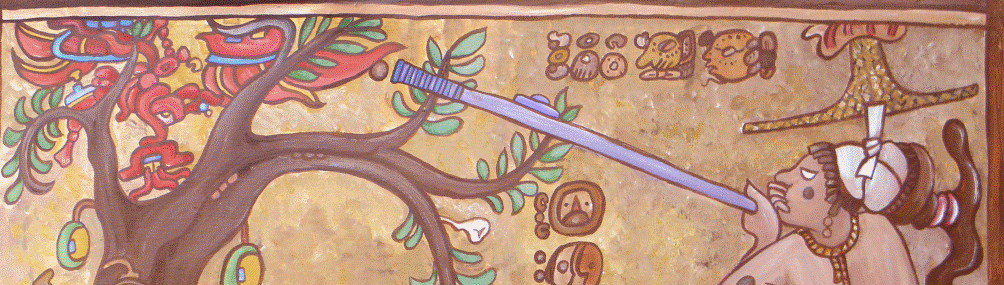 Hunaphu
defeats Seven Macaw: K'iche'
Maya Popol
Vuh
|
 |